
| Home | Butterflies | Dragonflies | Birds (media) | Flora & Fauna (media) | Observations | Species | Mexican Species |
| Download Checklists | Links | My 5 Chickens | Other Photos | The Birding Program | About | GPS | News |
Species account
Migrant Hawker
(Aeshna mixta)
Latreille (1805)
Hawkers (Aeshnidae)
MIHA
24797
Efterårs-mosaikguldsmed (dk)
Esna Falso Zafiro (es)
Höstmosaikslända (se)
Synonyms: Autumn Hawker (gb)
Measurements:
To 56-64mm
Ab 43-54mm
Hw 37-42mm
Flight period:
| J | F | M | A | M | J | J | A | S | O | N | D | |||||||||||||||||||||||||||||||||||||||||||||||||||||||||||||||||||||||||||||||||||||||||||||||||||||||||||||
| SE | ||||||||||||||||||||||||||||||||||||||||||||||||||||||||||||||||||||||||||||||||||||||||||||||||||||||||||||||||||||||||
| EU | ||||||||||||||||||||||||||||||||||||||||||||||||||||||||||||||||||||||||||||||||||||||||||||||||||||||||||||||||||||||||
Identification:
Smallish. Both sexes weak shoulder stripes, yellowish triangle on S2, well-marked greenish spots on side of thorax. Long appendages.
Male has a well-marked blue belt on top of S2 and blue and brown along the rest of the abdomen.
Female is more brownish along the abdomen.
Male has a well-marked blue belt on top of S2 and blue and brown along the rest of the abdomen.
Female is more brownish along the abdomen.
Similar species:
Life stages:
The pair hook up near the water, but the mating takes place in trees and bushes away from the water and lasts up to an hour. The solo female then inserts the eggs into live or dead plant material just above the water surface. The eggs overwinter and hatch the next spring. The larvae develop rapidly during few months (same season). The imago-transformation takes place near the water on plants, up to 40 cm above the ground.
Distribution:
Most of Europe; absent Scotland, northern Ireland and northern Fennoscandinavia. Also present NW Africa, Turkey, Syria, Ukraine and Russia eastward to Myanmar and Japan. In Denmark widespread and present in all regions and islands.
Habitat:
Behavior:
Away from water in maturing period both sexes can attend large foraging flocks in forest clearings, with sun and out of the wind. In the breeding localities the males can fly above the vegetation at several meters altitude but are also very found of patrolling low in between the emerging reeds in the water, something the very similar affinis males [Sydlig Mosaikguldsmed] do not.
Status:
LC(eu) LC(dk). Common and spreading.
Host plants:
Dunhammer (Typha)
Tørvemos (Sphagnum)
Tagrør (Phragmites)
Rotten plant material
Tørvemos (Sphagnum)
Tagrør (Phragmites)
Rotten plant material
Comment:
Often in large flocks, at least in the early autumn.
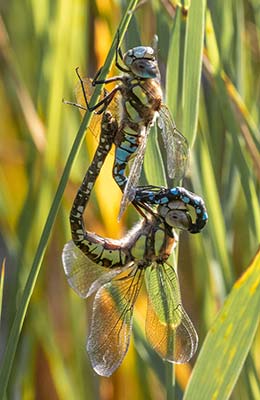
|
2298
(2 photos)
2023-09-04 Kalvebod Fælled, Denmark Imago ♂♀ Enghøj. Mating wheel. |
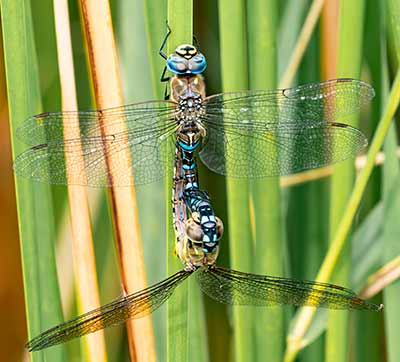
|
3044
(2 photos)
2024-09-02 Kalvebod Fælled, Denmark Imago ♂♀ Granatsø. Mating wheel. |
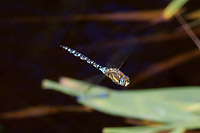
|
443
(3 photos)
2020-08-13 Kalvebod Fælled, Denmark ♂ Ellevehøjvej. |
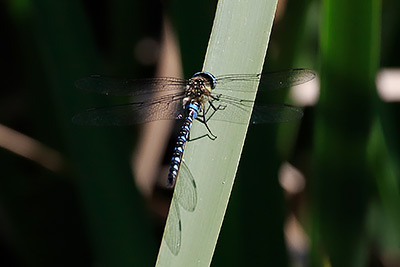
|
569
(1 photos)
2021-08-05 Møllekrog (Esrum sø), Denmark Imago ♂ |
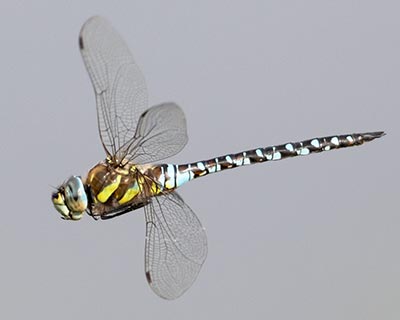
|
1138
(1 photos)
2022-08-17 Kalvebod Fælled, Denmark Imago ♂ |
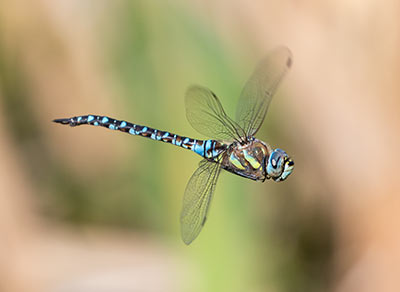
|
1113
(1 photos)
2022-09-01 Jægersborg Dyrehave, Denmark Imago ♂ Flying in good numbers now. |
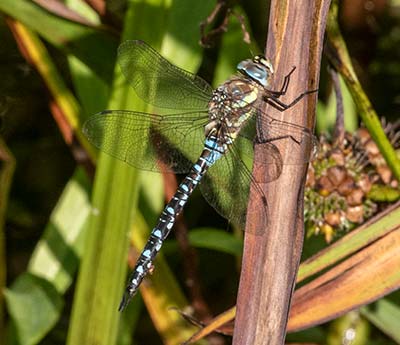
|
2297
(2 photos)
2023-09-01 Travbaneparken, Denmark Imago ♂ Plejehjemsdammen. |

|
2387
(2 photos)
2023-09-23 Søvang, Denmark Imago ♂ Vandhullet. One of two or three today. |
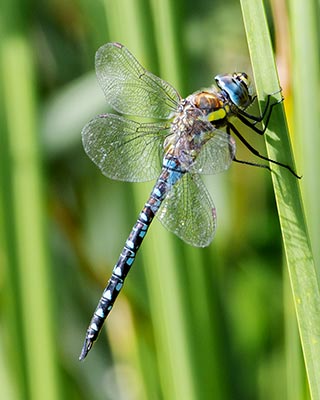
|
3037
(1 photos)
2024-08-19 Kalvebod Fælled, Denmark Imago ♂ Granatsø. Looking superficially alike, this male was sitting one meter from a male Blue-eyed Hawker [Sydlig Mosaikguldsmed], why it is easy to get the wrong numbers, if you're not careful. |
|
3057
(1 photos)
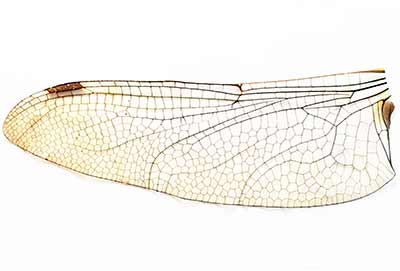
2024-10-20 Nordjylland, Denmark Imago ♂ Left hindwing from above. Tinted by dirt. Found moribund in Nordjylland. The wing has been flattened showing the correct proportions and perspective of the veins and cells. |
|
1891
(3 photos)
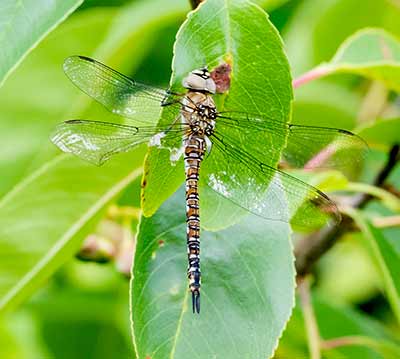
2022-07-14 Bøtø-skoven, Denmark Imago ♀ |
|
1890
(2 photos)
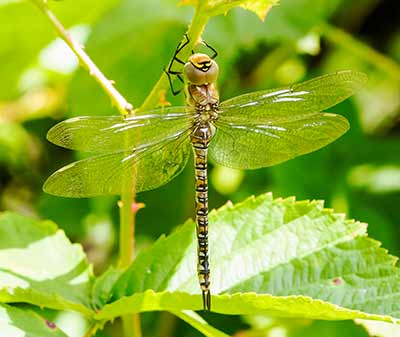
2022-07-14 Bøtø-skoven, Denmark Imago ♀ |
|
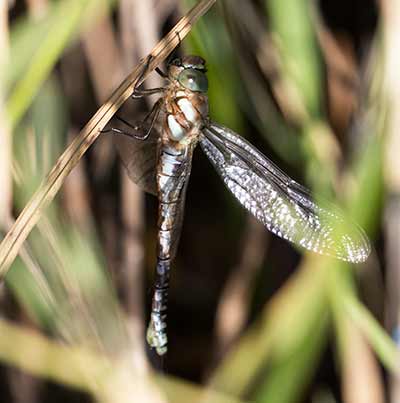
1845
(2 photos)
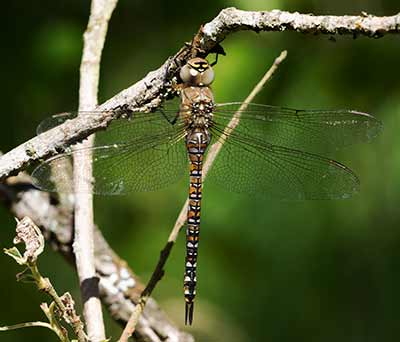
2022-07-26 Kalvebod Fælled, Denmark Imago ♀ Bagstien, Pinseskoven. |
|
1053
(1 photos)
2022-08-06 Kalvebod Fælled, Denmark Imago ♀ One of two animals emerging from the water in the tiny channel on the south side of Sydmølletværvej. |

|
1137
(3 photos)
2022-08-17 Kalvebod Fælled, Denmark Imago ♀ |

|
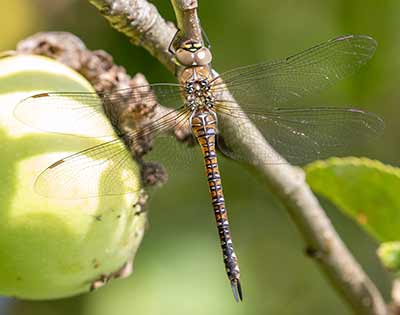
1765
(2 photos)
2023-07-13 Kongelundsområdet, Denmark Imago ♀ Skovfogedmarken. The first of the year. |
|
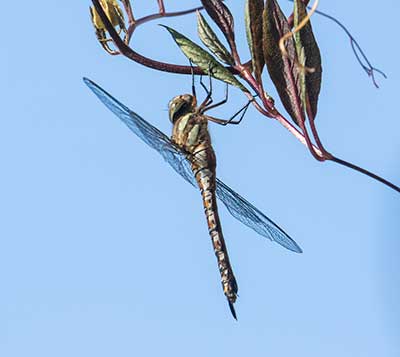
1991
(2 photos)
2023-07-26 Hvidovre Strandenge, Denmark Imago ♀ |
|
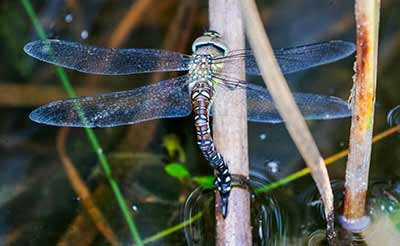
2207
(2 photos)
2023-08-19 Vinkelhuse (Tårnby), Denmark Imago ♀ Welcoming a new visitor to the balcony! Only hung in the Mexican Ivy [Klokkeranke] for a short while to pay tribute to our connection on a deeper level of being. Beyond human misery and eternal ditto stupidity. Vinkelhuse |
|
2248
(3 photos)
2023-08-21 Kalvebod Fælled, Denmark Imago ♀ Granathøj. Egg-dropping. |

|
2277
(2 photos)
2023-08-26 Kalvebod Fælled, Denmark Imago ♀ Fasanskoven. |
|
2879
(1 photos)
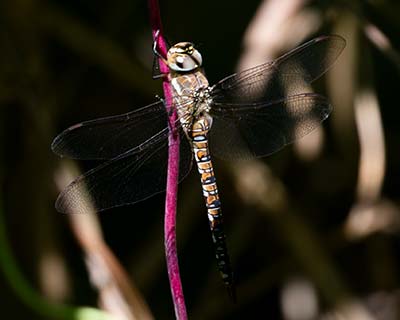
2024-07-20 Bøtø-skoven, Denmark Imago ♀ Hovedstien ved p-pladsen. |
|
1052
(1 photos)
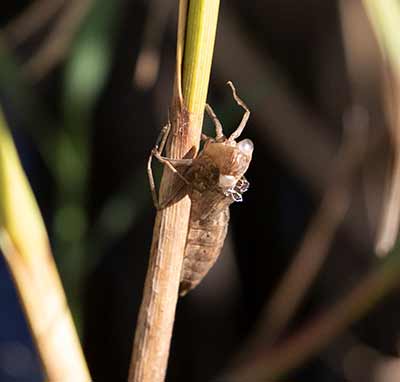
2022-08-06 Kalvebod Fælled, Denmark Exuvia I'm guessing the species because I had two tenerals drying right next to this exuvia. Exuvia |