
| Home | Butterflies | Birds (media) | Flora and Fauna | My 5 Chickens | Daily | Spontaneous | About |
| Dragonflies | Other Photos | Observations | Species | Mexican birds | Checklists | TBP | Links |
Mexican species
| Common Yellowthroat (Geothlypis trichas) | |||
|
|||
| Subspecies | Hide subspecies | ||
| arizela | arizela (arizela) | Breeds far southeastern Alaska to south-central California; winters to southern Baja California and northern Sonora. | |
| sinuosa | arizela (arizela) | Saltwater marshes from San Francisco to San Diego | |
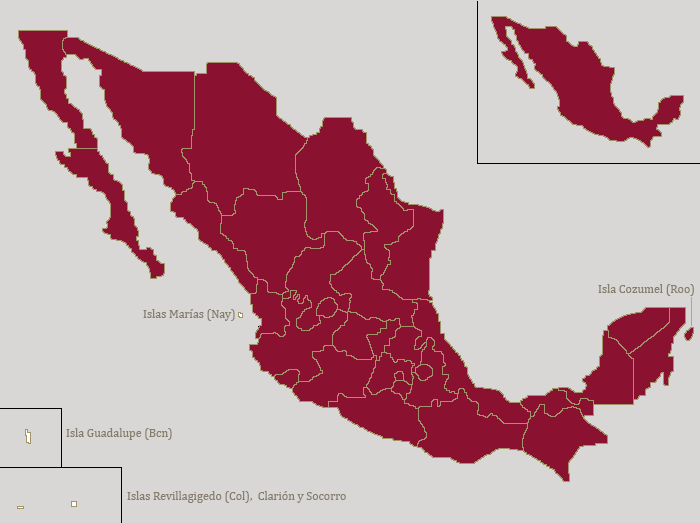
| modesta | arizela (arizela) | W Mexico (w-central Sonora south to Colima) | |
| campicola | melanops (melanops) | Breeds western Canada and southeastern Alaska to northwestern USA; winters to northern Mexico. | |
| occidentalis | melanops (melanops) | Breeds northern Oregon to New Mexico and northwestern Texas; winters to Honduras. | |
| scirpicola | melanops (melanops) | S California to Nevada, sw Utah, n Baja and extreme nw Sonora | |
| chryseola | melanops (melanops) | SE Arizona to s New Mexico, w Texas and nw Mexico | |
| melanops | melanops (melanops) | Cent. Mexico (Zacatecas and n Jalisco to Oaxaca and Veracruz) | |
| trichas | trichas (trichas) | Breeds southeastern Canada and east-central USA; winters to West Indies and northern South America. | |
| typhicola | trichas (trichas) | Breeds southeastern USA; winters to southeastern Mexico (Veracruz). | |
| ignota | trichas (trichas) | Coastal se S Carolina to s Florida, s Mississippi and se Louisiana | |
| insperata | insperata (insperata) | S Texas (Rio Grande Valley below Brownsville) | |
| chapalensis | chapalensis (chapalensis) | NW Mexico (Lake Chapala region of Jalisco) | |
| Endemic status | |||
| Sound Guide | |||
| Comment | Great variety among the many different subspecies. Mostly among the males, though. And especially the central Mexican subspecies chapalensis is rather distinctive with a warmer rich yellow to the body and a darker yellowish/grayish band above the mask, that makes it look very much like a Belding's Yellowthroat, making me wonder if it wouldn't be reasonable to give it a similar species status. | ||
|
Select another species |
|||